
Philosophy Classes for Beginners: What to Expect

By the New Acropolis Chicago Team
You do not need to arrive with a shelf full of difficult books or a talent for debate. Most people looking for philosophy classes for beginners are not trying to impress anyone. They are trying to make sense of their lives. They want clearer thinking, steadier values, and a way to face daily questions with more depth than the usual quick advice can offer.
That is a good place to begin, because philosophy begins there too. It starts with sincere questions. How should I live? What matters most? Why do I repeat the same mistakes? How can I become more useful to others without losing myself? For a beginner, philosophy is not a performance. It is a training in seeing more clearly and living more consciously.
Why philosophy classes for beginners matter
Many adults feel a quiet hunger for meaning, even when life appears full on the surface. Work is busy, communication is constant, and information is endless, yet clarity can still feel far away. That is one reason philosophy remains so relevant. It helps us step back from noise and examine the principles shaping our choices.
A beginner class can offer something rare: a structured space to reflect without drifting into vagueness. Good philosophy classes do not simply pile on theories. They help students connect ideas to real concerns such as handling stress, improving relationships, making ethical decisions, and finding purpose in service.
This practical dimension matters. If philosophy stays trapped in abstraction, it can feel distant. But when it is taught as a way of life, it becomes a source of inner order. The ancient philosophers were often concerned with character, discipline, justice, courage, and the art of being fully human. Those concerns have not disappeared. If anything, they have become more urgent.
What beginners usually worry about
A common fear is, "What if I do not know enough?" Another is, "What if everyone else is more advanced than I am?" These worries are understandable, but they often come from a mistaken image of philosophy as an elite activity reserved for specialists.
In reality, the best beginner classes are designed for ordinary people with serious questions. You do not need a background in the subject. You need openness, patience, and a willingness to examine your own assumptions. In many cases, that matters more than prior knowledge.
There is also the concern that philosophy will be too abstract or too argumentative. It can be either of those things in some settings, but it does not have to be. A healthy learning environment welcomes questions, encourages reflection, and invites dialogue without turning every conversation into a contest. Philosophy should sharpen the mind, but it should also deepen the heart.
What to expect in philosophy classes for beginners
If you have never taken a class before, it helps to know what a strong beginner experience often includes. First, there is usually a broad introduction to major philosophical themes rather than a narrow focus on one author or period. This gives you a foundation and helps you see common human questions across cultures and eras.
Second, you can expect discussion. Philosophy is not only something you read. It is something you work with. A good class gives you room to ask, compare, and test ideas in conversation. That does not mean having the perfect answer. It means learning how to think with sincerity and care.
Third, expect relevance. In an applied setting, philosophical ideas are connected to modern challenges. A class might explore courage through the lens of uncertainty, justice through the lens of community, or self-knowledge through the lens of habits and identity. The point is not to force ancient wisdom into modern language, but to recognize that many essential human struggles are shared.
Finally, expect to be changed a little by the process. Not overnight, and not in a dramatic or artificial way. More often, the change is quiet. You begin to notice your reactions more clearly. You pause before speaking. You become less easily pulled around by every mood or opinion. These are small signs of philosophical practice taking root.
The Difference Between Learning Philosophy and Living It
There is a real difference between knowing philosophical terms and becoming more philosophical as a person. One fills the memory. The other forms character.
A beginner class is most valuable when it helps bridge this gap. You might learn about Plato, Stoicism, Eastern traditions, ethics, or the nature of the soul. But the deeper question is always, "What does this ask of me?" If an idea does not lead to reflection, effort, or greater responsibility, it remains unfinished.
This is where living philosophy has special value. It invites us to treat wisdom as something active. Reflection leads to choice. Choice becomes habit. Habit shapes destiny. That may sound lofty, but it plays out in humble ways: telling the truth when it is inconvenient, keeping commitments, resisting cynicism, and remembering that growth is not separate from service.

How to Choose the Right Beginner Philosophy Class
Not every class serves the same purpose, so it helps to be honest about what you are seeking. Some people want a more academic framework. Others want a practical path for self-development. Neither approach is wrong, but they are different.
If your goal is personal growth, look for a class that treats philosophy as lived wisdom rather than information alone. Pay attention to whether the teaching style is accessible, whether the atmosphere supports genuine inquiry, and whether the course connects ideas to everyday life. A beginner often benefits most from a setting that is structured but not rigid, thoughtful but not cold.
Community also matters more than many people expect. Learning alongside others can help philosophical study become steadier and more human. You hear questions you had not considered. You see how universal certain struggles are. You begin to understand that philosophy is not only about individual insight, but also about building a more conscious society.
That is part of what makes a community-centered school meaningful. In Chicago, New Acropolis offers a path, through its Living Philosophy Course, where philosophy is joined with culture and volunteering, so study is not isolated from action. For many beginners, this creates a stronger sense of direction because ideas are given a place to breathe in daily life.
What Philosophy Can Change in Everyday Life
The effects are often practical before they are dramatic. A philosophical habit of mind can help you slow down impulsive reactions and ask better questions. It can help you recognize what is essential and what is merely urgent. Over time, this changes the quality of decisions.
Philosophy can also strengthen resilience. Not by removing difficulty, but by helping you face it with greater inner order. Ancient traditions often taught that while we cannot control every circumstance, we can work on our responses, our values, and our sense of purpose. This does not solve everything, but it gives us a steadier center.
Relationships also benefit. Self-knowledge tends to make us less defensive and more attentive. Ethical reflection can make us more reliable. A larger sense of shared humanity can soften the isolation many people carry. When philosophy is lived sincerely, it does not pull us away from life. It makes us more present within it.
And then there is the question many people carry quietly: "What am I here for?" A beginner class may not hand you a final answer, but it can help you begin asking the question with seriousness. That alone can change a life. Purpose is not usually found in a sudden flash. More often, it is clarified through study, reflection, and service over time.
Starting Without Waiting to Feel Ready
Many worthwhile things begin before we feel fully prepared. Philosophy is one of them. If you are curious, if you sense there must be a wiser way to live, if you want more than distraction and routine, that is already enough reason to begin.
Start simply. Bring your questions. Listen carefully. Be willing to reflect, and equally willing to practice. A beginner does not need to pretend certainty. There is dignity in starting honestly.
Philosophy offers no shortcut past the work of becoming human. What it offers is companionship in that work, tested ideas, and a reminder that a meaningful life is built deliberately. One thoughtful class, one sincere question, one effort to live by higher principles can become the beginning of a different way of being.
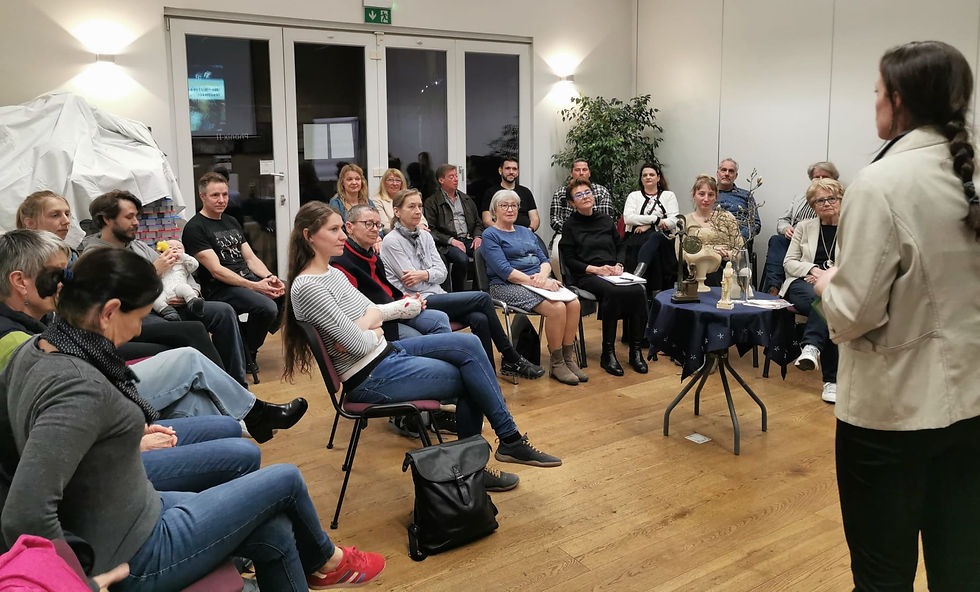
If you have been waiting to feel ready, consider this your invitation to begin. The first class is always free at New Acropolis Chicago, in the Ravenswood neighborhood. Bring your questions and see what a room full of people thinking carefully together actually feels like. We will be here.
Written by the New Acropolis Chicago Team
Frequently Asked Questions
Do I need any background to take a philosophy class for beginners?
No background is required. Beginner philosophy classes are designed for people with sincere questions, not for specialists. Openness, patience, and a willingness to examine your own assumptions matter far more than prior reading.
What do you actually learn in a beginner philosophy class?
A good beginner class introduces major themes across cultures and eras rather than narrowly focusing on one author. You explore ideas about ethics, character, self-knowledge, and purpose, and you connect them to real concerns like handling stress, improving relationships, and making decisions.
How can philosophy help in everyday life?
Philosophy helps you slow down impulsive reactions, ask better questions, and tell the difference between what is essential and what is merely urgent. Over time it tends to strengthen resilience, deepen relationships, and bring a steadier sense of purpose. It does not remove difficulty, but it helps you meet it with more inner order.
How do I start learning philosophy as a beginner?
Start simply: bring your questions, listen carefully, and be willing to both reflect and practice. You do not need to feel fully prepared. Many people find that learning alongside others, in a class or community, makes philosophical study steadier and more human.
Authorship Note
The philosophical content and teaching methods are consistent with the values of New Acropolis Chicago. While artificial intelligence assisted in organizing the article, creating image artwork, and translating ideas into clear, practical language, the final outcome is a product of collaboration between humans and artificial intelligence.


Comments